七十二候
72 micro-seasons
七十二候とは、1年を72に細かく分けた季節のこと。
飛鳥時代に隋から伝来し、江戸時代に日本の気候や動植物の生態に合わせてアレンジされ、明治時代に現代私たちが眼にする暦になりました。何世代にもわたる長い時間をかけて、丁寧に『日本の季節』を読み表していったのです。
その表現は今も言い得て妙。農作業への実用性はもちろんのこと、自然や日本に生きとし生けるもの全てとの共生を楽しむようです。
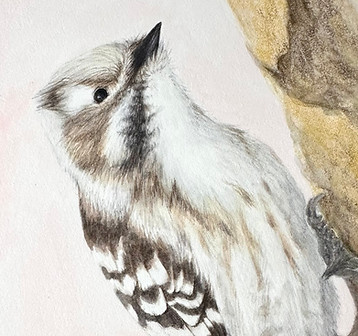
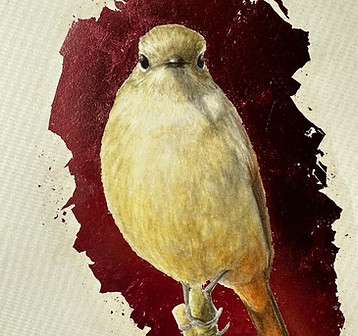
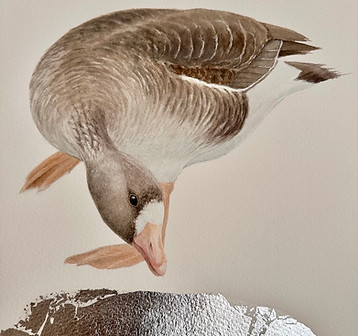
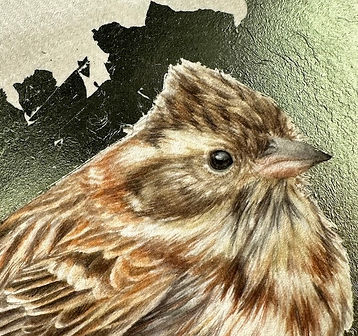
この美しい國でそれぞれの季節を過ごす野鳥の細密水彩画と、平安の時代から続く日本独自の文字「ひらがな」を通して、季節の恵みを讃えます。
The Shichijūni-kō is a traditional calendar that divides the year into 72 subtle micro-seasons. Introduced from China in the Asuka period, it was adapted during the Edo period to fit Japan’s distinct climate and flora and fauna, taking its modern form in the Meiji era. It is a poetic reflection of the Japanese seasons, refined thoughtfully across generations.
These ancient expressions still ring true today, reflecting a profound joy in coexisting with nature and all living creatures.
Hiromi celebrates the blessings of the seasons through detailed watercolor illustrations of wild birds native to this beautiful country, paired with Hiragana, Japan’s unique calligraphy that has endured since the Heian period.
はるかぜこおりをとく
立春 初候 東風解凍
東から吹く春風が、冬の凍った大地を溶かし始めるころ。
2027年は2月4日〜2月8日
うおこおりをいずる
立春 末候 魚上氷
魚が溶け割れた氷の間から見え始めるころ。
2027年は2月14日〜2月18日
かすみはじめてたなびく
雨水 次候 霞始靆
霞がたなびき始めるころ。湿りを帯びた大地から大気へと、水分が放たれていきます。
2027年は2月24日〜2月28日

うぐいすなく
立春 次候 黄鶯睍睆
鶯が鳴き始めるころ。
2027年は2月9日〜2月13日

つちのしょううるおいおこる
雨水 初候 土脉潤起
地中の土が水分でしっとりしてくるころ
2027年は2月19日〜2月23日
ももはじめてさく
啓蟄 次候 桃始笑
桃の花の蕾が開いて咲き始めるころ。
2027年は3月11日〜3月15日